
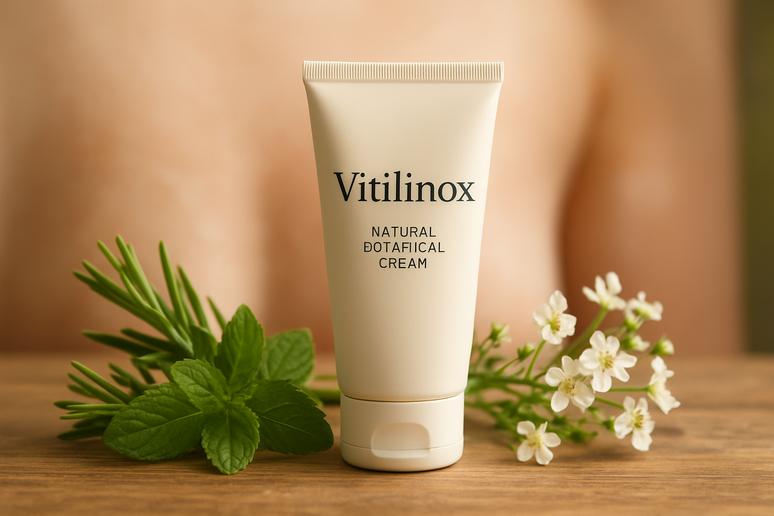

Vitiligo is a skin condition that causes loss of pigment, and it affects people all around the world—including quite a few here in the UK. But it’s not just about how the skin looks; many folks dealing with vitiligo face emotional and social hurdles too. When it comes to treatments, there are several out there, but many come with their own set of drawbacks or side effects.
That’s where Vitilinox comes into play. This natural, topical cream is starting to get noticed for its different approach to managing vitiligo. In this article, we’ll dive into what Vitilinox is all about, how it works, and what exactly it’s used for when it comes to bringing back the skin’s natural pigment.
Understanding Vitiligo: Causes and Challenges
So, what is vitiligo? Basically, it’s a long-term autoimmune skin disorder that shows up as white patches on the skin. This happens because the melanocytes—the cells that produce melanin, the pigment that gives your skin its color—either stop working properly or disappear altogether. The twist? The immune system actually attacks these pigment-producers by mistake.
For those living with vitiligo in the UK, the impact goes beyond just the physical. It can hit self-esteem and cause social stress. Traditional treatments like corticosteroids, phototherapy, and surgery can help, but they’re not always perfect. Some people deal with side effects, while others find the results aren’t consistent. No wonder many are on the lookout for gentler options.
What Is Vitilinox?
Vitilinox is a topical cream with a difference—it’s made from natural, plant-based ingredients. This botanical blend sets it apart from many usual chemical-heavy treatments out there. Instead of just masking symptoms, Vitilinox aims to protect and revive the melanocytes, mainly by cutting down on oxidative stress.
Thanks to its focus on natural components, Vitilinox offers a gentler yet effective way to support skin health and help repigmentation along.
How Vitilinox Works: The Science Behind Its Effectiveness
Here’s a bit of the science side: oxidative stress happens when there’s an imbalance between free radicals and antioxidants in the body. These free radicals are troublemakers, attacking skin cells and leading to pigment loss—basically setting off vitiligo.
Vitilinox steps in with powerful antioxidants that neutralize these harmful free radicals. This means the melanocytes get a bit of protection from further damage. On top of that, the plant extracts in the cream help stimulate melanin production and encourage melanocyte regeneration.
In a nutshell, Vitilinox works two ways: it shields the cells that are still there and nudges the skin to grow new pigment-producing cells.
Key Ingredients of Vitilinox and Their Benefits
The cream features several botanical extracts well-known for boosting melanin production and helping with skin repair. These natural ingredients team up to bring back lost pigment and improve overall skin health—but without the harshness you might expect from other treatments.
- Antioxidants: They play a starring role, reducing oxidative damage that leads to pigment loss.
- Herbal oils and extracts: These not only nourish the skin but soothe it and help keep the skin barrier strong.
- Vitamins and minerals: Ingredients like Vitamin E and copper support healing and encourage melanin synthesis.
It’s no surprise that many people across the UK looking for gentler vitiligo treatments are drawn to Vitilinox’s natural vibe.
Why Choose Vitilinox? Advantages Over Traditional Treatments
What makes Vitilinox a go-to for many is its natural, chemical-free formula. This means fewer worries about the rough side effects linked to some conventional treatments. Plus, applying a cream is straightforward—no needles, no fancy equipment—just an easy, non-invasive approach.
There’s also growing scientific backing and a host of happy users sharing their good experiences, which only adds to its credibility. Considering how many people in the UK want natural remedies, Vitilinox fits right into that demand, especially when you compare it to the downsides of steroids or phototherapy.
Emotional and Psychological Impact of Using Vitilinox
Vitiligo can really take a toll psychologically. It’s visible, so self-esteem often dips, and social anxiety can creep in. That’s why treating the emotional side is just as important as the physical.
Using Vitilinox offers more than just skin changes—it gives hope. Seeing your natural skin pigment return, even gradually, can work wonders for your confidence and overall happiness. It becomes part of a broader self-care routine that helps people feel better inside and out.
Clinical Research and Real User Experiences
Early clinical studies hint that Vitilinox is safe and might actually help treat vitiligo, according to reports from Desire Marketing. Of course, more thorough research is needed to back this up firmly over time.
A bunch of users have shared their positive stories, noting visible improvements in their skin pigmentation. But keep in mind, results do differ from person to person, depending on how severe the condition is and other factors. And no matter what, it’s super important to chat with a healthcare professional before starting any new treatment.
Conclusion
Vitiligo impacts many people in the UK, affecting more than just the skin—it touches quality of life. Vitilinox stands out as a promising, natural treatment option that combines science with nature to help bring pigment back to the skin.
This special formulation works in two ways: protecting melanocytes from oxidative damage and encouraging melanin restoration. So, if you’re living with vitiligo, Vitilinox might be worth exploring as a gentle and safe way to manage the condition. Just be sure to get tailored advice from your dermatologist to find the best approach for your skin.