
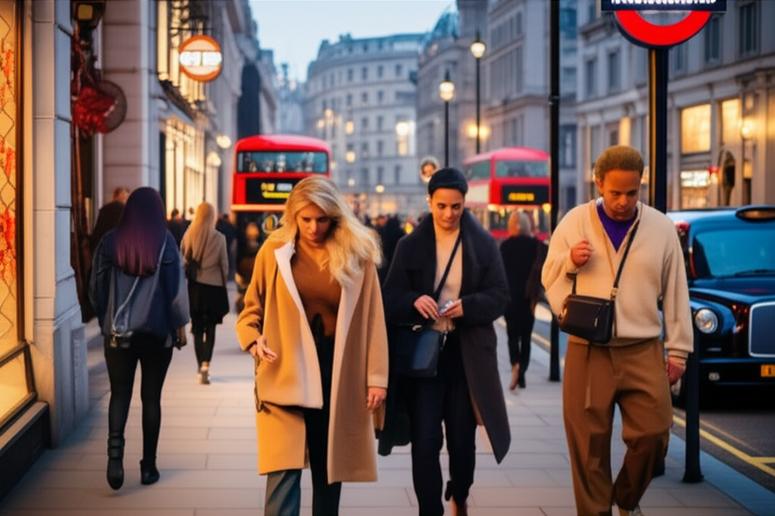

Ah, London! It’s a city that practically sparkles with vibrant culture, incredible history, and those iconic landmarks we all know and love. Millions flock here every year, and for good reason. But, like any big city, it’s a mosaic where all that charm and excitement live right alongside the very real need to feel safe. Whether you call London home or you’re just visiting, getting a handle on safety in the capital is super important if you want to explore its bustling streets with confidence.
This guide? Well, it’s here to shine a light on the spots in London that, statistically speaking, see a bit more crime. We’re aiming for a realistic chat about urban safety. Because while the city is, on the whole, pretty safe (especially in those central, touristy zones), being clued in about London crime hotspots and staying vigilant is absolutely key. That knowledge empowers you to make smart choices, ensuring your time in the UK’s capital is as secure and enjoyable as possible.
Understanding London’s Crime Landscape: Beyond the Headlines
What Do We Even Mean by “Dangerous Areas”?
Okay, let’s talk about “dangerous areas” in London, because that term can be a bit misleading. Usually, it’s not about places where serious violence is just, like, everywhere for the average person. Instead, it often points to spots with more petty crime – think pickpocketing or those sneaky phone snatchers. For most people, London is still a very safe place. You see, most violent incidents are actually tied to specific situations or individuals, not random attacks on folks just going about their day.
Here’s another thing to keep in mind: there’s a big difference between a high total number of crimes and a high crime rate per person. Take tourist spots, for instance. They might have a ton of reported crimes, but that’s often just because there are so many people there, not necessarily because they’re inherently more risky for locals. Plus, London’s a melting pot, right? All those diverse communities and super dense populations across its boroughs totally play a part in how crime stats get crunched and understood.
What’s the Deal with London’s Crime Trends?
The folks in charge, like the Metropolitan Police Service, are always keeping a close eye on crime trends in London. And hey, some recent news is pretty good! Data from the 12 months leading up to August 2025 shows that violence causing injury actually dropped by almost 12% – that’s nearly 9,000 fewer offenses across all 32 boroughs! So, things are looking up when it comes to violent encounters.
But, let’s be real, some crimes are still pretty common. Theft, especially, is a big concern, particularly where lots of people gather. We’re talking about pickpocketing in bustling markets or on public transport, and the growing issue of phone snatching. You know, those quick grabs often done by people on scooters in super busy areas? Knowing where these types of crimes tend to happen is your secret weapon for staying safe and proactive in London.
Identifying Areas with Higher Crime Rates: A Detailed Look
Central London: Westminster and Camden (Tourist Hotspots)
Westminster? Yeah, it often pops up at the top of crime stats, and it’s not really a surprise when you think about it. It’s packed with huge tourist draws like Big Ben, Buckingham Palace, and buzzing nightlife zones like Leicester Square, Covent Garden, Oxford Street, and Soho. That means a truly immense number of people passing through every single day. And, well, where there are crowds, there’s fertile ground for petty crimes like pickpocketing and those increasingly common scooter-riding phone snatchers. MailOnline even pointed out in 2024 that Leicester Square and Covent Garden were hotbeds for violent and drug-related crimes, with a high number of attacks, rapes, or sexual assaults reported.
Then there’s Camden, home to the awesome Camden Market. It also sees its fair share of theft and drug-related offenses. The lively, often super crowded vibe of the market and its surrounding areas just makes it a magnet for opportunistic criminals. Even though folks are constantly working to boost safety, visitors still need to keep their wits about them, especially in those jam-packed spots around the market.
South London: Lambeth, Croydon, and Southwark
Lambeth, especially neighborhoods like Brixton and Vauxhall, has historically had a bit of a reputation for gang activity, violence, and sexual crimes. Now, it’s true that the area has seen a ton of regeneration, bringing improved public spaces and more police presence. But even with all that, it’s still smart to stay vigilant. Reolink’s 2025 report actually mentioned over 10,000 violent incidents in Lambeth – that’s a pretty significant number.
Croydon? That’s another spot where knife offenses, violent crime, and drug-related incidents have been a growing concern. In 2024, MailOnline even highlighted a 2-acre stretch near West Croydon station as a major area for violent crime. And then there’s Southwark, which is a bit of a mixed bag. You’ll find notable theft and violent crime, particularly around Elephant and Castle, and unfortunately, high rates of stabbings, as uhomes pointed out. But here’s some good news: places like Peckham in Southwark have really turned things around, with significant efforts dramatically lowering crime rates.
East London: Hackney, Tower Hamlets, and Newham
Hackney has really transformed into this cool creative hub, which is great! But it still deals with quite a bit of theft and violent crime, particularly in those super popular nightlife spots like Shoreditch and Dalston. Plus, uhomes mentioned significant incidents of gun and knife crime there, too.
Tower Hamlets is another borough facing its own set of challenges, with increases in robbery and theft, especially in busy areas like Whitechapel and Bethnal Green. These issues are often tied back to socioeconomic factors and just having a lot of people packed into one area. And then there’s Newham, which also sees a high volume of theft and violence. Stratford station, in particular, is a frequent target for pickpockets, according to Reolink.
North London: Haringey and Islington
Up north, Haringey, which includes busy spots like Tottenham and Wood Green, unfortunately sees high rates of robbery and violent crime. Knife crime and gangs are also a concern in this borough. The good news is that Tottenham, specifically, has been a big focus for government initiatives to cut down on auto crime and robberies, and it’s actually leading to lower crime rates there.
Islington also experiences its share of theft and violent offenses, particularly in bustling areas like Angel and Upper Street. These spots are famous for their lively social scenes, which, sadly, can sometimes draw in opportunistic criminals. But despite these specific concerns, most of Islington is generally safe, with the issues tending to pop up in those particular high-traffic zones.
Why Do Some Areas See More Crime Than Others?
So, why exactly do some parts of London rack up higher crime rates? It’s not just one thing; there are a bunch of interconnected factors at play. Getting a grip on these can give us a much clearer picture than just staring at numbers.
-
First up, we’ve got socioeconomic factors. You know, areas with more poverty, unemployment, and overall deprivation often tend to have higher crime rates. It makes sense, right? These tough conditions can lead to desperation and a real lack of opportunities, which, sadly, can push some folks towards criminal activities. We definitely see this pattern in some of the boroughs we’ve talked about where economic differences are really stark.
-
Next, there’s density and opportunity. Think about it: crowded places, especially those big tourist hotspots and major transport hubs, just create more chances for petty crime to happen. Pickpockets absolutely thrive where there are loads of people, everyone’s a bit distracted, and valuables are often out in the open. With a constant flow of both locals and visitors, these areas become prime hunting grounds for opportunistic thieves. That’s precisely why places like Westminster consistently show high crime volumes – it’s mostly down to the sheer number of people there.
-
The nightlife and leisure economy also plays a huge role. Areas packed with late-night venues, bars, and clubs often see a jump in violence and public order offenses. A bit too much alcohol can lower inhibitions and make small arguments blow up, leading to more fights and assaults. Shoreditch, Dalston, and even parts of Westminster are classic examples where a buzzing nightlife scene can unfortunately go hand-in-hand with higher crime figures.
-
And finally, transport hubs are practically magnets for various crimes. Big train stations, bus terminals, and Underground stops aren’t just crowded; they’re also super convenient for criminals to zip in and out. Theft, especially pickpocketing and phone snatching, is pretty common around these busy intersections because people are often distracted trying to figure out their journey. Stratford station in Newham? That’s a textbook example of a transport hub that attracts this kind of activity.
Your Personal Safety Guide: Essential London Tips!
Making sure you stay safe in London mostly boils down to being aware and taking some common-sense precautions. Seriously, by just adopting a few key habits, you can really cut down your chances of becoming a victim.
Stay Aware (Situational Awareness is Your Superpower!)
Situational awareness is non-negotiable. Be tuned into what’s happening around you. Try not to get totally absorbed in your phone or blast music through headphones, especially in crowded public spaces or when it’s dark. And here’s a big one: trust your gut! If a situation or a person just feels off, get yourself out of there immediately. That gut feeling? It’s often a surprisingly reliable warning sign.
Protecting Your Stuff (Keep Those Valuables Safe!)
Protecting your valuables is another super critical part of staying safe in London. Keep your bags zipped up tight and close to your body – ideally slung across your front or tucked under your arm. Try not to flash cash, fancy phones, or expensive jewellery, because, let’s be honest, that just invites unwanted attention. Be extra cautious in busy spots like markets, tourist attractions, and on public transport; that’s where pickpockets often hang out. If you’re really worried, anti-theft bags or a money belt can give your belongings that extra layer of security.
Safe Travel & Public Transport
When it comes to safe travel and public transport, especially once the sun goes down, planning is your best friend. Avoid walking alone in dimly lit or isolated areas; instead, stick to well-lit main roads where other people are around. If you need a taxi, always go for a pre-booked licensed cab – we’re talking black cabs or minicabs booked through a trusted app or office. Never, ever hail an unlicensed mini-cab off the street; they might not be insured and definitely aren’t worth the risk. On public transport, particularly late at night, try to sit where there are other people or near the driver, and always map out your journey using official Transport for London (TfL) resources so you don’t get lost.
Accommodation Safety (Where You Stay Matters!)
For accommodation safety, do your homework! Research the neighborhood thoroughly before you book your spot. Look for places with clear security features like CCTV cameras, controlled access points, and if possible, a doorman or 24/7 security. And don’t forget to read those reviews from previous guests – they can give you awesome insights into how safe the area and the property really feel.
In an Emergency (Know Your Numbers!)
And just in case of an emergency, it’s absolutely vital to know the right numbers. For urgent police, fire, or ambulance services, it’s 999. For reporting non-urgent crimes or just sharing information about something you’ve seen, dial 101. If you spot anything suspicious, please report it to the police; your observations could be key in stopping bigger problems and making everyone safer.
London’s Overall Safety: Let’s Get a Balanced View
Okay, so we’ve talked about London’s crime hotspots and “dangerous areas,” but it’s super important to keep things in perspective about the city’s overall safety. Honestly, London is still a pretty safe global city, especially when you compare it to a lot of other major cities around the world. For example, our homicide rate here in London is actually lower than in places like New York or Toronto. What does that tell us? That serious violent crime, while it does happen, isn’t as widespread or rampant as it can be in some other big global hubs.
And here’s some really good news: random acts of serious violence are, thankfully, pretty rare for the average person. Most folks who become victims of violence are usually involved in specific high-risk lifestyles. That means if you’re just your average resident or tourist, it’s highly unlikely you’ll be randomly targeted. Plus, the Metropolitan Police and Transport for London are always on it, constantly rolling out new efforts and safety measures across the city. Think increased patrols, super advanced CCTV surveillance – all geared towards stopping crime and reacting fast when things do happen. This ongoing vigilance plays a huge part in helping most people navigating the capital feel secure.
The Bottom Line: Enjoy London Safely and Smartly!
London truly is an incredible city – bursting with unmatched energy, endless opportunities, and a gazillion experiences for absolutely everyone. While you might hear those sensational headlines about “most dangerous areas in London,” a little dose of common sense shows us that even if certain spots have higher crime stats, they’re usually totally manageable if you take smart precautions. The big takeaway here? By simply understanding typical crime patterns and putting those practical safety tips into action, you can absolutely guarantee yourself a secure and fun time in the capital.
Being personally vigilant isn’t about living in fear; it’s about giving yourself the power to confidently navigate this amazing urban landscape. By staying tuned into your surroundings, keeping your valuables safe, planning your trips, and knowing what to do if an emergency strikes, you’re not just looking out for yourself – you’re contributing to the safety of the whole community. So go ahead, embrace London’s dynamic vibe, soak up its diverse offerings, and do it all responsibly, making safety a smooth, integral part of your adventure in this magnificent city.
Hey, what are your go-to London safety tips? Drop your advice in the comments below – you could really help out fellow explorers! And if you want even more detailed guidance, totally check out the official Met Police guidelines or other urban safety articles. Oh, and don’t forget to subscribe for more travel and safety guides for the UK!