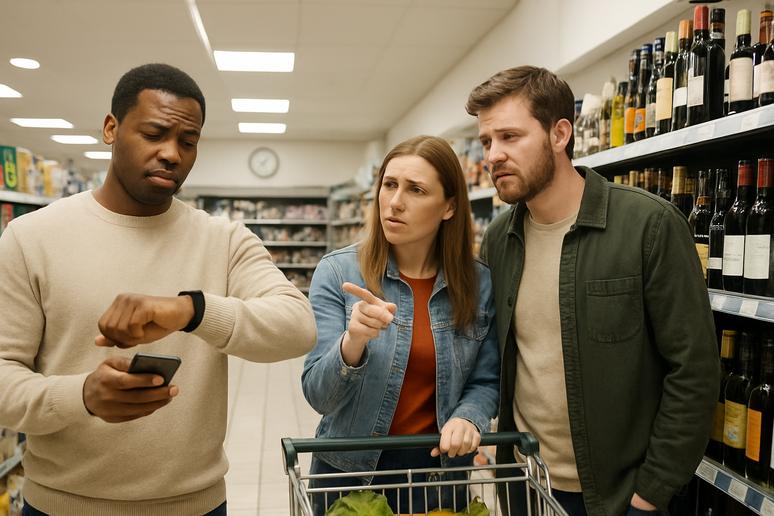

Ever found yourself staring at a supermarket shelf on a Sunday, wondering, “What time can I actually buy alcohol?” You’re definitely not alone! The UK’s rules about buying booze, especially on Sundays, are a real mix – a bit like a complex puzzle put together from old traditions, national laws, and what local councils decide. It’s far from a simple, one-size-fits-all situation.
The truth is, when and where you can grab a bottle of wine or a six-pack can totally change depending on where you are in the UK, if you’re hitting up a supermarket or popping into a pub, and even the specific local area. This whole system can be pretty confusing for both locals and visitors, making it super important to get your head around the specific ins and outs of when and where alcohol sales are legally permitted.
Trying to navigate these different restrictions isn’t just tricky for us consumers; it’s a big deal for businesses too, who need to stay compliant. From those early morning limitations in shops to the later opening hours for pubs and restaurants, these rules are designed to keep things balanced – thinking about public order, local vibes, and, of course, the businesses selling the drinks. So, this article is here to clear things up about UK Sunday alcohol laws, giving you a straightforward guide to the permitted hours across England, Wales, Scotland, and Northern Ireland. Let’s get some clarity on this often-misunderstood bit of British law, shall we?
Understanding the Nuances of UK Alcohol Laws on Sundays
Historical Context and Evolution of Sunday Trading Laws
The story behind why we have Sunday alcohol sales restrictions in the UK goes way back to what they called “blue laws” or Sunday trading laws. Back in the day, these laws were all about keeping Sunday as a day of rest and religious observance, meaning most commercial activities, including selling alcohol, were pretty much a no-go. But things have definitely changed! Over time, these rules have slowly loosened up, especially towards the end of the 20th century and into the 21st.
As Ward Hadaway points out, even though Sunday trading laws have been updated, it’s not a total free-for-all. Specific restrictions, especially for alcohol, are still around. It’s all about finding that sweet spot between tradition and what modern shoppers want. For instance, the Licensing (Sunday Hours) Bill of 1995 was all about tweaking Sunday alcohol sale hours, showing just how much attention this area gets from lawmakers, as you can see in old Hansard records from Parliament.
These legal shifts really show how our society’s views on Sunday activities and drinking have evolved. While we’ve definitely moved on from the super strict days of old, some rules still stick, particularly for big shops and the specific times alcohol can be sold. These historical roots keep influencing the different legal setups across the UK, which is why we have such varied times for buying alcohol today.
Key Legislation Impacting Sunday Alcohol Sales Across the UK
Here’s where it gets a bit more complicated: the main laws governing alcohol sales aren’t the same across the whole UK. We’ve got different acts that mostly set the rules for England and Wales, Scotland, and Northern Ireland separately. For England and Wales, the **Licensing Act 2003** was a game-changer. It introduced a lot more flexibility in licensing hours, even making 24-hour alcohol sales a possibility in some places – though, yes, Sunday-specific rules are still a thing. According to PMC Labs, this act really opened up the possibility for outlets to extend their hours, sometimes even all day! But remember, this flexibility isn’t endless; it’s still under the watchful eye of local authorities and the specific conditions on a premises’ license.
Scotland? They do their own thing with their own distinct licensing laws, mainly the **Licensing (Scotland) Act 2005**, which lays out specific rules for alcohol sales, including different Sunday trading hours. And then there’s Northern Ireland, with its totally unique legal framework. Historically, they’ve had stricter Sunday alcohol restrictions compared to the rest of the UK, even though they’ve seen some reforms too. These separate legal systems are why it’s such a puzzle trying to figure out **What Time Can You Buy Alcohol** in any specific spot in the UK. You really need to dive into each nation’s regulations.
Alcohol Sales on Sundays in England and Wales: The Specifics
Off-Licences (Supermarkets & Shops): Permitted Hours for Alcohol Purchase
Alright, let’s talk about England and Wales. When you’re looking to buy alcohol from an off-licence – think your local supermarket or corner shop – things are a bit different on Sundays. For the bigger shops (those over 280 square metres, to be precise), Sunday trading laws say they can only trade for a restricted six-hour window, typically between **10:00 AM and 6:00 PM**. This means even if a huge supermarket throws its doors open earlier for your general shopping needs, you legally can’t buy alcohol before 10:00 AM. Hurak confirms that large shops stick to those six consecutive hours between 10 AM and 6 PM on Sundays. Smaller shops, though, aren’t tied down by these Sunday trading hour limits and can usually sell alcohol from 10:00 AM, following their normal license conditions.
It’s important to remember that even if a small shop is open 24/7, they still can’t sell you alcohol before 10:00 AM on a Sunday. Why? Because their alcohol license specifically dictates those hours. That **10:00 AM start time** is a key rule in the UK’s Sunday alcohol laws for retail purchases, keeping things pretty consistent across most off-licences in England and Wales. To avoid any disappointment, it’s always smart to double-check the specific opening and alcohol sale hours of your local spot.
On-Licences (Pubs, Bars & Restaurants): Sunday Operating Hours for Serving Alcohol
Now, when it comes to places where you drink *on* the premises – pubs, bars, and restaurants in England and Wales – the Sunday hours for serving alcohol tend to be a bit more flexible than for off-licences, but there are still rules. While traditionally, you might expect alcohol service to kick off around 12:00 PM or 12:30 PM, the Licensing Act 2003 offers more wiggle room. Many licensed places can apply for, and often get, licenses to serve alcohol earlier, sometimes from 10:00 AM, matching their general opening times. However, Sunday closing times for these venues usually wrap up around **10:00 PM or 11:00 PM**, which is often earlier than on other days.
The exact opening and closing times for on-licences on a Sunday can really vary a lot, depending on that specific establishment’s license and any unique conditions the local authority has put in place. So, while there’s a general idea of how things work, it’s really best for you to check with the specific pub, bar, or restaurant you’re planning to visit. Local variations and special events can definitely change these times. This flexibility means hospitality businesses can still cater to Sunday brunchers and social butterflies while keeping to the broader UK Sunday alcohol laws.
Exceptions to General Rules: Hospitality Businesses with Accommodation
Hang on, there are some interesting exceptions to these general Sunday alcohol rules, especially for hospitality businesses that offer a place to stay, like hotels. These places often have more relaxed licensing conditions, meaning they can serve alcohol to their guests outside of the standard public trading hours. Mitchell Cooper highlights that businesses offering accommodation are exempt from certain rules when it comes to selling alcohol, recognizing their unique operational needs. So, if you’re staying in a hotel, you might be able to get a drink from the hotel bar or via room service even when the main public bars are shut.
This exception is there because hotels basically run 24/7 to look after their residents, and that includes providing refreshments. But, it’s crucial to remember that these extended hours usually only apply to people staying at the hotel, not the general public walking in off the street. These specific allowances just add another layer to the intricate question of **What Time Can You Buy Alcohol** in the UK, showing how different types of licensed places operate under their own distinct rulebooks.
Scotland’s Sunday Alcohol Regulations: What You Need to Know
Off-Licences: When Can You Purchase Alcohol in Scottish Shops?
Crossing the border into Scotland, you’ll find a completely different set of rules for alcohol sales, especially for off-licences on Sundays. Unlike England and Wales, where some shops might start selling at 10:00 AM, the **Licensing (Scotland) Act 2005** has a country-wide rule: you simply cannot buy alcohol from off-licences before **10:00 AM** on *any* day, and that includes Sunday. So, whether you’re in a massive supermarket or a tiny convenience store up in Scotland, the earliest you can buy alcohol to take away is 10:00 AM sharp. It’s a clear, consistent rule for retail alcohol sales all across the country.
This 10:00 AM restriction applies to every single place licensed for off-sales of alcohol. It’s a pretty big difference when you’re thinking about “buying alcohol Scotland Sunday” compared to other parts of the UK. Knowing this specific timing is super important for both shoppers and shopkeepers to make sure everyone’s playing by the rules of Scottish alcohol licensing laws.
On-Licences: Navigating Specific Sunday Licensing Hours in Scotland
For pubs, bars, and restaurants in Scotland – the on-licences – the permitted hours for serving alcohol on Sundays generally mean later openings and earlier closures compared to weekdays, but there’s still a bit of local flexibility. Typically, places licensed to serve alcohol in Scotland can start pouring from **11:00 AM** on Sundays and often close up around **11:00 PM or midnight**. However, these hours aren’t set in stone and can be tweaked by local variations and what’s specifically written in each establishment’s operating plan and premises license.
Local licensing boards in Scotland actually have the power to set particular opening and closing times for on-licensed places in their area, which can lead to small differences from one town to the next. So, while there’s a general framework for “buying alcohol Scotland Sunday,” it’s always a good idea to check the specific opening hours of individual pubs or restaurants. That way, you’ll know exactly when you can grab a drink in licensed venues across Scotland.
Northern Ireland: Unique Sunday Alcohol Restrictions Explained
Shops and Supermarkets: Understanding the 12:30 PM Start for Alcohol Sales
Northern Ireland has always been known for having some of the UK’s strictest alcohol licensing laws, especially when it comes to Sunday sales. For shops and supermarkets there, the earliest you can start buying alcohol on Sundays is much later than in England, Wales, or Scotland. Alcohol sales from off-licences in Northern Ireland are generally allowed from **12:30 PM**. This later start time, compared to its UK neighbours, is a defining feature of Northern Ireland’s alcohol restrictions and shows a different philosophy towards Sunday trading.
That **12:30 PM start time** is a critical piece of information for anyone planning to buy alcohol from a shop in Northern Ireland on a Sunday. It really highlights the regional differences within the UK’s alcohol licensing world and why knowing your specific local rules is so important. Consumers should definitely plan their purchases accordingly, as trying to buy alcohol before this time isn’t permitted under Northern Ireland’s Sunday alcohol laws.
Bars and Restaurants: Sunday Service Hours and Potential Local Variations
Just like with shops, bars and restaurants in Northern Ireland (our on-licensed premises) also have specific Sunday service hours. Historically, pubs and bars in Northern Ireland have been allowed to serve alcohol from **12:30 PM** on Sundays, usually calling last orders around **10:00 PM**. These hours are generally tighter than what you’d find in England, Wales, or Scotland. The later start time for serving alcohol in bars and restaurants really goes hand-in-hand with the overall vibe of Northern Ireland’s alcohol restrictions on Sunday trading.
While these are the typical operating hours, it’s worth noting that local authorities and individual licenses can bring in small variations. Some places might have specific conditions attached to their licenses that slightly shift these times. So, even though the 12:30 PM to 10:00 PM window is a good general guide, patrons should always confirm the exact operating hours with the specific bar or restaurant they’re heading to, just to make sure they’re in line with local regulations.
Legal Implications and Compliance for Buying Alcohol on Sundays
Consequences of Selling or Purchasing Alcohol Outside Legal Hours
Sticking to the legal hours for alcohol sales on Sundays – and, honestly, any day – is absolutely crucial for both shops and us, the consumers. The fallout for selling or buying alcohol outside these legally permitted times can be pretty serious. For businesses, selling booze when they shouldn’t can lead to some hefty penalties, including massive fines, getting their alcohol license temporarily suspended or even permanently revoked, and in some cases, criminal charges. Hurak makes it very clear: selling alcohol outside licensed hours risks heavy fines (we’re talking up to £20,000!), losing your license, and even criminal prosecution. That really hammers home how serious non-compliance is and why strict adherence to licensing conditions is so vital.
For us individuals, trying to buy alcohol outside of legal hours, or helping someone else do it, can also land you in hot water legally, though usually not as severely as businesses. Both sides have a responsibility to make sure these transactions happen within the law. These strict rules are in place for a good reason: to keep public order, protect public health, and ensure alcohol is sold responsibly.
Importance of Responsible Alcohol Sales and Consumption
Beyond just the legal stuff, selling and drinking alcohol responsibly is super important for everyone’s well-being. Licensed places play a huge role in making sure alcohol is sold in a controlled and appropriate way – think preventing sales to underage individuals or anyone who’s clearly had too much. This means staff need proper training on licensing laws and how to serve responsibly. As the Drinkaware charity rightly points out, it’s illegal for anyone under 18 to buy alcohol, anywhere.
For us, the consumers, responsible consumption means understanding and respecting those legal buying times, not overdoing it, and being aware of how alcohol affects our health and safety. The UK’s Sunday alcohol laws, with all their specific timings and restrictions, are part of a bigger picture designed to encourage sensible attitudes towards alcohol. By following these rules, both sellers and buyers contribute to making things safer and more orderly for everyone.
Conclusion
So, asking “What Time Can You Buy Alcohol on Sundays in the UK?” really opens up a complex and varied legal landscape. From the 10:00 AM start for off-licences in England and Wales to the later 12:30 PM kick-off in Northern Ireland, and Scotland’s consistent 10:00 AM rule, it’s clear the rules are anything but uniform. Pubs and restaurants, our on-licensed premises, also show regional differences, with their specific operating hours shaped by national laws, local authority decisions, and their own individual licenses. The long history of Sunday trading laws continues to influence these regulations, creating a nuanced system that tries to balance tradition, public order, and commercial interests.
Getting your head around these crucial differences is absolutely essential for anyone looking to buy or sell alcohol responsibly across the UK. It just goes to show why it’s so important to always check local regulations and the specific hours of an establishment, because even within the same country, small variations can pop up. By being clued up on the UK’s Sunday alcohol laws, you can navigate the system with confidence, and businesses can ensure they’re fully compliant, all contributing to a responsible approach to alcohol sales and consumption throughout the United Kingdom.