
The UK construction scene is definitely shifting gears, and when it comes to roofing, Acryldach is quickly becoming the go-to solution. This innovative acrylic roofing system isn’t just reliable; it’s lightweight, energy-efficient, and ticks all the boxes for today’s architectural styles that crave both looks and performance.
In this article, we’re diving into everything you need to know about Acryldach — from its standout features and benefits to its types and where it really shines in practical use. We’ll see why this modern material is making waves across building projects all over the UK.
What’s Acryldach All About? The Modern Acrylic Roofing Solution
The name might sound a bit fancy, but it’s actually pretty straightforward. Acryldach combines “Acryl,” meaning acrylic, and “Dach,” the German word for roof. The heart of this roofing system is polymethyl methacrylate (PMMA) — a clear, tough, yet super lightweight plastic. What’s cool about PMMA is that it offers amazing optical clarity and stands up really well against harsh weather.
Compared to old-school materials like glass, metal, or asphalt shingles, Acryldach is a step ahead. It allows up to 92% natural light through, handles UV rays like a champ, and stays durable over time. That means it keeps looking great and performing well, year after year.
Why Pick Acryldach? Key Features and Benefits
What really makes Acryldach shine is how much natural light it lets in. Imagine cutting down on daytime electric lighting simply by letting sunlight brighten your home or office — it creates spaces that feel open, welcoming, and even boosts productivity.
- UV resistance: No yellowing or wear from sun exposure, so it looks good and stays strong longer.
- Lightweight: Easy to handle and install, plus puts less weight on your building’s structure.
- Shatter resistance: Safer than glass, which can be brittle.
- Great insulation: It keeps sound and temperature in check, which means more comfort and energy savings.
- Eco-friendly: Made from recyclable materials with low emissions, it fits right in with UK green building standards.
The Many Faces of Acryldach: Types and Where to Use Them
Acryldach isn’t one-size-fits-all — it comes in different styles for different needs:
- Solid acrylic sheets: Perfect for maximum clarity, like sunrooms or skylights, available flat or gently curved.
- Corrugated panels: Those ridges aren’t just for looks — they help with water runoff and add strength, making them ideal for sloped roofs and carports.
- Multi-wall sheets: Featuring internal air chambers, these are great insulators for greenhouses and cold-weather buildings.
- Liquid-applied coatings: Seamless waterproof layers perfect for flat roofs or when updating existing roofs.
- Special finishes: Tinted, frosted, or reflective options exist to keep privacy and control temperatures.
The Tech Behind the Magic: Material and Manufacturing Innovations
The magic of Acryldach comes from combining top-notch materials with smart manufacturing. PMMA, the main ingredient, is a thermoplastic resin known for clear views, UV resistance, and stable shape. Manufacturers don’t stop there — they add UV blockers, thermal stabilizers, and even anti-fungal stuff right into the resin, so it’s protected through and through, not just on the surface.
Using advanced techniques like extrusion and co-extrusion, they create sheets with varying thickness and clarity. Some panels even sport nanotech coatings that make them self-cleaning and fog-resistant — a real bonus if you want less upkeep. And yes, these Acryldach products don’t just rest on their laurels; they go through strict tests for durability, fire safety, and weather toughness tailored to UK conditions.
How Does Acryldach Stack Up Against Other Roofing Materials?
If you’re wondering how it compares, here’s the lowdown:
- Vs. Glass: Acryldach is about 50% lighter and way more impact-resistant, which makes it safer and easier to install. Plus, it keeps its clarity better over time without yellowing.
- Vs. Polycarbonate: It offers sharper optics and holds onto its shine longer, although polycarbonate is a tad stronger against impacts.
- Vs. Metal: Metal roofs are tough, sure, but they don’t let light in and can rust without good care. Acryldach brings natural light and better insulation.
- Vs. Asphalt shingles: Acryldach lasts longer, looks better, and helps save energy, making it a smarter investment in the long run.
Where Does Acryldach Fit in the Real World?
Acryldach’s practical benefits mean it’s pretty versatile throughout the UK:
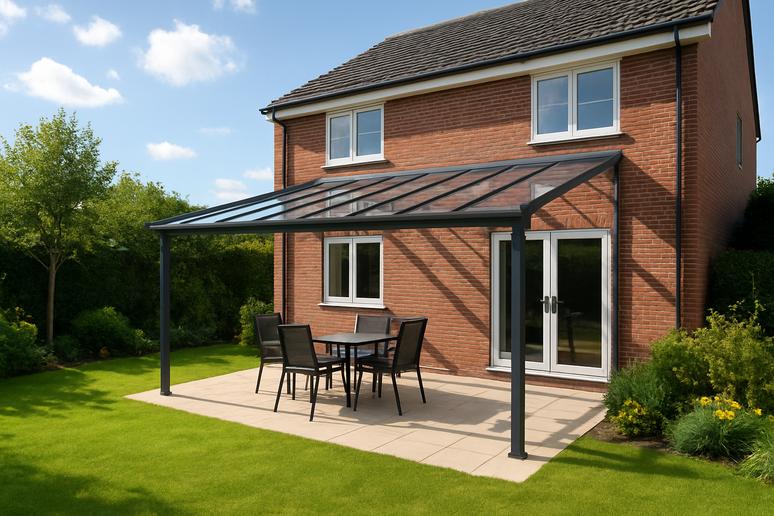
- Homes: People love it for patios, pergolas, and balconies — it’s stylish and keeps out the weather while letting in loads of light.
- Commercial spots: Shopping centres, offices, and exhibition halls use Acryldach in skylights and atriums to flood spaces with daylight, cutting electricity bills.
- Agriculture: Greenhouses and nurseries thrive with its light transmission and controlled UV exposure, perfect for plants.
- Industry: Skylights and roof panels reduce the need for artificial lighting, saving energy.
- Public infrastructure: Its durability and light weight make it a top pick for bus stops, walkways, and shelters.
Installing Acryldach: What You Need to Know
Getting that perfect Acryldach roof means starting with a careful site check — measuring everything right, checking the pitch, and making sure the support frame (usually metal or treated wood) is sturdy and level.
Handling the acrylic sheets needs a gentle touch; fine-tooth saw blades do the cutting. Pre-drilled holes have to be a bit bigger so the sheets can expand and contract with temperature changes without cracking. Using corrosion-proof fasteners and rubber gaskets keeps everything watertight. Panels overlap just right and get sealed with UV-proof silicone to stop leaks.
If you’re handy, smaller jobs like a carport could be a DIY weekend project. But for bigger or more structural roofs, calling in pros who know their way around Acryldach is definitely the safer bet.
Keeping Acryldach in Top Shape: Maintenance and Lifespan
One of the best things about Acryldach? It doesn’t ask for much. Just clean it with mild soap and water using a soft cloth or sponge — and steer clear of anything abrasive or harsh chemicals that could scratch it or dull its shine.
It’s a smart move to do seasonal check-ups too — clear off debris, look for cracks or loose screws, and touch up any worn sealant to keep moisture out. For those special coated panels, you might need to recoat every 7 to 10 years depending on how much sun they get. When treated right, your Acryldach roof can easily stick around for 20-30 years or more, giving excellent bang for your buck.
What About Cost? Is Acryldach Worth It in 2025-2026 UK Market?
Pricing depends on the panel type, thickness, and how tricky the installation is. Solid sheets usually go for around £15 to £40 per square metre, while fancier multi-wall or coated panels can run from £60 up to £100 per square metre. Don’t forget to factor in the frame, sealants, fasteners, and labour.
Yes, it might be pricier than asphalt or some metal roofs up front, but here’s the kicker: the energy savings from natural lighting and better insulation, plus low maintenance, means you’ll save money over time. It’s a smart long-term investment. Just be sure to get certified materials, solid warranties, and multiple quotes to make sure you’re getting the best deal.
Wrapping Up: Why Acryldach Is the Future of UK Roofing
Acryldach really kind of nails it when it comes to modern roofing in the UK. It’s clear, durable, flexible in design, and handles UV like a pro. Plus, it’s low maintenance and eco-friendly — a big tick in today’s world.
Whether you’re brightening up your patio, maximizing daylight in a commercial space, or boosting plant growth in a greenhouse, Acryldach has got you covered. It blends style and sustainability with long-lasting performance — perfect for architectural trends and greener building practices.
Picking Acryldach means going for a roof that looks great and cuts energy costs for decades. A smart choice for sure.
FAQ
- What is Acryldach made from?
It’s mainly made from polymethyl methacrylate (PMMA), a tough acrylic plastic known for being clear, weather-resistant, and lightweight — a great glass alternative for roofing. - How long does Acryldach roofing last?
If installed and maintained properly, it can last 20 to 30 years or more. High-quality panels with UV protection keep their strength and clarity well into the long haul. - Can Acryldach be used in both hot and cold UK climates?
Absolutely. It reflects heat to cut solar gain when it’s hot, and its multi-wall options offer great insulation for cold months. It’s flexible enough to handle temperature swings without cracking. - How does Acryldach compare to polycarbonate?
It offers better optical clarity and holds its shine longer, with excellent UV stability. Polycarbonate is a bit tougher on impact, but Acryldach wins when you want lasting beauty and light quality. - Is it possible to install Acryldach over existing roofs?
Yes! Many retrofit or renovation projects add Acryldach panels or liquid coatings over current roofs to improve insulation, waterproofing, and natural light without tearing everything off.